
Lisgar Park Dental offers Botox treatment as an option for patients experiencing symptoms of temporomandibular joint dysfunction (TMJ). TMJ can cause jaw pain, teeth grinding, clenching, and tension in the face, neck, and ears. Botox injections are used to relax overactive muscles and may help reduce the discomfort linked with TMJ. If you are looking for TMJ care in Toronto, schedule a consultation to see if Botox treatment is right for your needs.
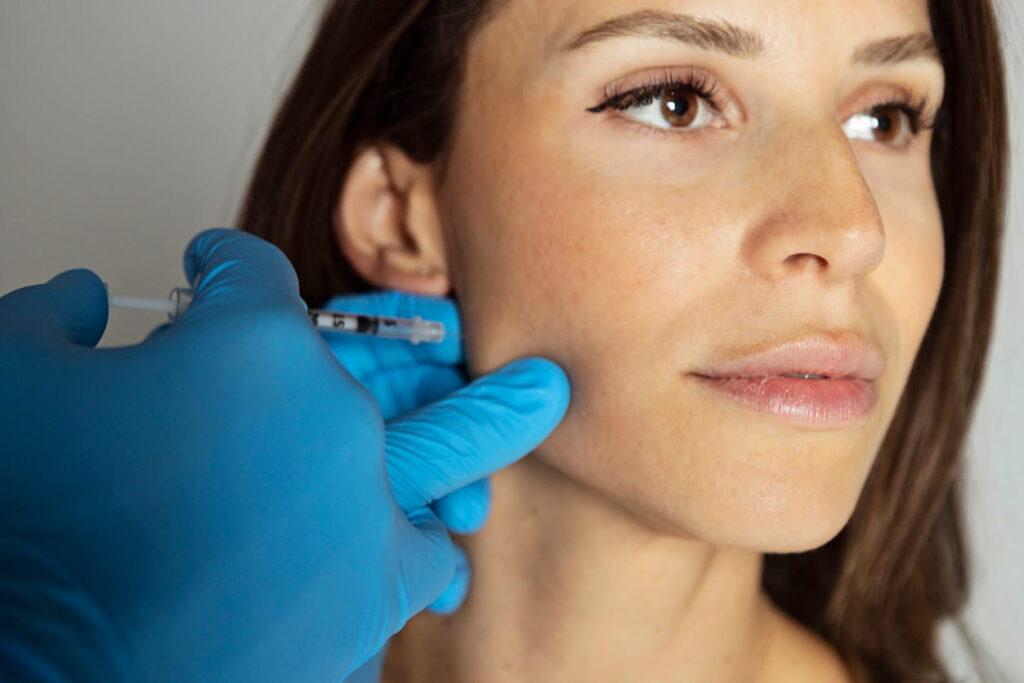
Common Symptoms for Botox TMJ Treatment
TMJ can cause jaw, neck, face, ear, and teeth problems throughout the day and night. Among the many symptoms of TMJ, you may experience jaw pain, clenching, teeth grinding, and/or headaches. Additionally, if you have temporomandibular joint dysfunction, you can suffer from a condition known as tinnitus, which is sporadic or continuous ringing in your ears.
Here are a few more signs that Botox TMJ treatment may be beneficial for you:
What Our Botox Treatment for TMJ Includes
Lisgar Park Dental provides Botox treatment in Toronto for patients with TMJ-related concerns. Our Botox TMJ treatments involve injections into the masseter, frontal, and temporalis muscles. These Botox injections help block the nerve signals that lead to the uncontrollable muscle movements of TMJ.
Botox treatments take approximately 10 to 15 minutes to complete and are effective for two to six months. Typically, you’ll receive these injections three to four times a year. Over time, the muscles will begin to atrophy, which decreases the required frequency of the injections. Yearly Botox injections can then be reduced from three to four time a year to one to two times a year.
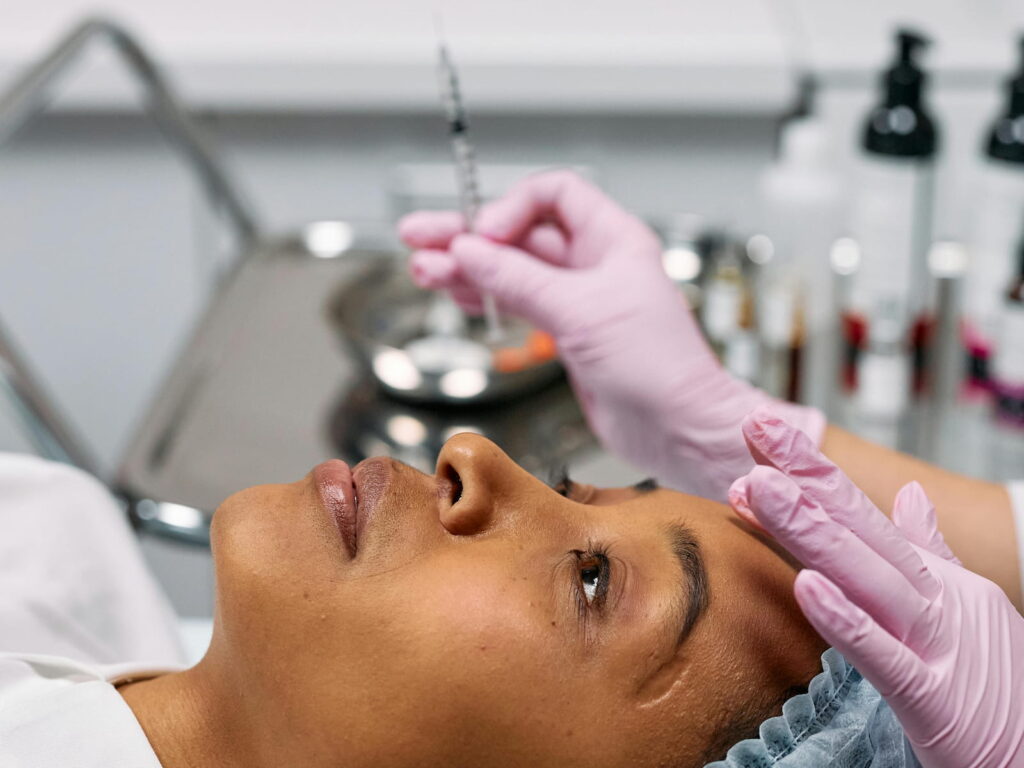
How To Care For Your Teeth After Botox Treatment
Following your Botox treatment, you should use a soft-bristled toothbrush to gently brush your teeth twice a day for two minutes at a time. Using a toothpaste that supports healthy enamel is also recommended. Protecting your tooth enamel with the right toothpaste and gentle brushing can prevent further damage from grinding and keep your teeth healthy while the Botox takes effect.
Reviews From Our Happy Patients